Call Us Today
Call Us Today
Steve Kherkher - May 6, 2023

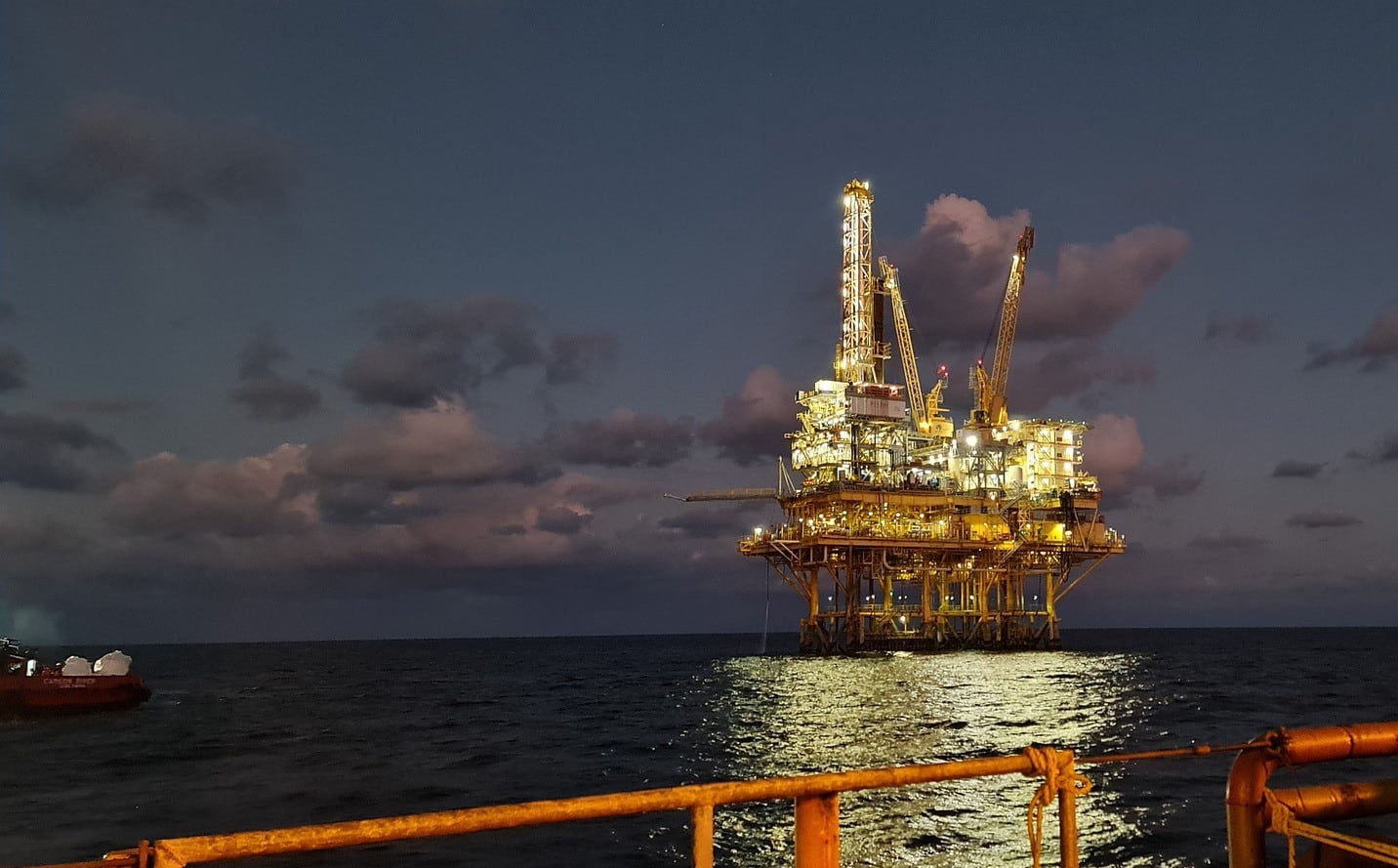
Offshore work and production is a vital part of the American economy. Shipping, freight, oil drilling, shipbuilding – maritime occupations are a necessary part of trade and commerce. Unfortunately, as vital as these jobs are, they are also among the most dangerous in the world.
Offshore workers are at a high risk for offshore accidents and injuries ranging from minor incidents to catastrophic failures. Below, the offshore accident lawyers at Kherkher Garcia, LLP discuss the wide range of accidents and injuries that affect maritime workers. We also explain why it is so important to have a skilled maritime lawyer on your side.
Offshore drilling can be a hazardous job, and workers on offshore platforms are exposed to a variety of risks. Some common accidents that workers experience on offshore platforms include:
To prevent these accidents, employers must prioritize worker safety and provide proper training, safety equipment, and maintenance of equipment and facilities. Regular safety inspections and drills can also help minimize the risks of accidents on offshore platforms.
Offshore drilling can be a dangerous profession, and injuries can occur due to a variety of factors. Not all accidents or incidents are catastrophic, but they can still cause injuries to those involved. Some common offshore injuries that offshore workers experience include:
It’s important for employers to take steps to ensure the safety of their workers, including providing proper training, safety equipment, and adequate medical care in the event of an injury.
In addition to the common accidents and injuries that affect offshore workers, there is also the potential for massive, devastating offshore incidents. In recent decades, a series of offshore incidents have led to alarming loss of life, injuries, and damage to the environment. A few examples of such incidents include:
In February 2023, the jack-up drilling rig, Perro Negro 6, capsized off the coast of Angola. One of the three legs of the rig collapsed during drilling. One worker onboard has never been found, and six others sustained injuries. The rig eventually sank in 40 meters of water.
In 2012, a gas leak occurred on the Elgin platform in the North Sea, resulting in an evacuation of workers and a major environmental threat. The leak occurred due to a failure of the pressure control system. It took 51 days to plug the leak, by which time an estimated 200-400 cubic meters of gas was released into the environment.
In 2010, an explosion on the Deepwater Horizon oil rig caused an oil spill in the Gulf of Mexico. The force of the explosion resulted in the loss of 11 lives and extensive environmental damage. An estimated 210 million gallons of oil were leaked into the Gulf of Mexico wreaking havoc on the ecosystem, wildlife, tourism, and local communities.
In 2009, a blowout occurred on the West Atlas drilling rig in the Timor Sea off the coast of Australia, causing an oil spill and environmental damage. The blowout was significant enough to completely destroy the oil rig. It took 10 weeks for workers to cap the well, at which point 400,000 barrels of oil had leaked into the sea. While no workers were injured, this incident had a significant impact on the environment and economy.
In 1988, an explosion on the Piper Alpha oil rig in the North Sea caused the loss of 167 lives and is considered the deadliest offshore oil rig accident in history. The explosion was caused by a series of factors including a leak in a condensate line, failure of safety systems, and a buildup of flammable gas. Before the rig collapsed and sank, 61 workers were evacuated.
These incidents are just a few examples of the dangers of the offshore industry. Many of the factors that led to these incidents are human error, or a lack of proper inspection and safety protocols. These accidents highlight the importance of safety protocols and proper equipment maintenance in offshore drilling operations.
There are always risks when working in the maritime industry. There are, however, safety regulations that owners, operators, and supervisors must follow to promote a safe work environment. Offshore injuries can be prevented by following proper safety procedures and protocols. Here are some measures that can be taken to prevent offshore injuries:
By implementing these measures, offshore injuries can be minimized, and workers can be kept safe. It is crucial for employers to prioritize safety in offshore operations to prevent accidents and injuries from occurring.
Maritime workers who are injured while working offshore have rights to benefits and compensation under maritime laws. It is important that maritime workers understand their rights and responsibilities. Taking the following steps after an accident or injury can help maritime workers get the help they need:
It is essential for maritime workers to take the right steps after an injury occurs. Following proper protocols and getting legal guidance can help protect workers’ rights and ensure they receive proper compensation for their injuries.
Workers in offshore operations have rights under maritime laws like the Jones Act and the Longshore and Harbor Workers’ Compensation Act. These laws allow injured workers the ability to file claims against owners, operators, employers, or other parties whose negligence caused their injuries.
Maritime injury claims can provide valuable compensation for injured workers, such as:
Maritime law is complex and there are several factors that will determine what rights and laws may apply to workers, such as their job title, occupation, and the circumstances of their injury. Working with a skilled offshore accident lawyer can help maritime workers understand their rights and the options they have for recovery. Furthermore, a lawyer can help ensure that all claims are processed and handled correctly, with the workers’ best interests in mind.
At Kherkher Garcia, we are committed to helping maritime workers get the help they need. Whether you have been injured on a ship, oil rig, drill, or dock, we can help you explore your options for compensation.
Our lawyers have decades of experience holding negligent employers and ship owners accountable for their actions. We are not afraid to tackle complex maritime matters or challenge major maritime companies.
To start your free consultation, call us at 713-333-1030, or reach out to us online.

This page has been written, edited, and reviewed by a team of legal writers following our comprehensive editorial guidelines. This page was approved by attorneys Steve Kherkher and Jesus Garcia Jr., who have more than 50 years of combined legal experience championing the rights of those who have experienced catastrophic injury due to negligence.
Connect with a Kherkher Garcia trial lawyer today to pursue maximum compensation for your injury.